Published on 05/02/2025
Whale Watching Season in Loreto: A Spectacular Marine Adventure

Whale watching season is one of nature’s most breathtaking spectacles. Each winter, majestic gray, humpback, and blue whales arrive in the Sea of Cortez during their annual migration, offering the chance to see these marine giants up close in a serene and spectacular setting.
Loreto, in Baja California Sur, stands out for its biodiversity, calm waters, and strong conservation focus, making it one of the best destinations in Mexico to enjoy this experience.
When Is Whale Watching Season in Loreto?
Whale watching season in Loreto runs from December to April, with peak activity between January and March. During these months, the Sea of Cortez fills with migratory whales seeking warm waters to breed, rest, and care for their calves.
Best time to visit: January to March
Common species: blue whale, humpback whale, and gray whale
Weather: sunny days, mild temperatures, and ideal conditions for boating
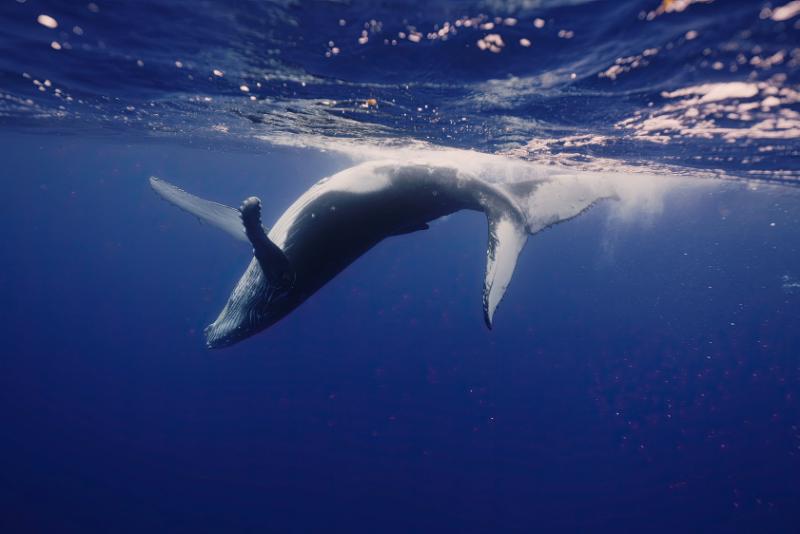
Where Can You See Whales in Loreto?
Sightings are most frequent within the Loreto Bay National Marine Park, especially around:
•Isla Danzante
•Isla Montserrat
These islands form part of a protected ecosystem that offers ideal conditions for observing the whales’ natural behavior in clear and calm waters.
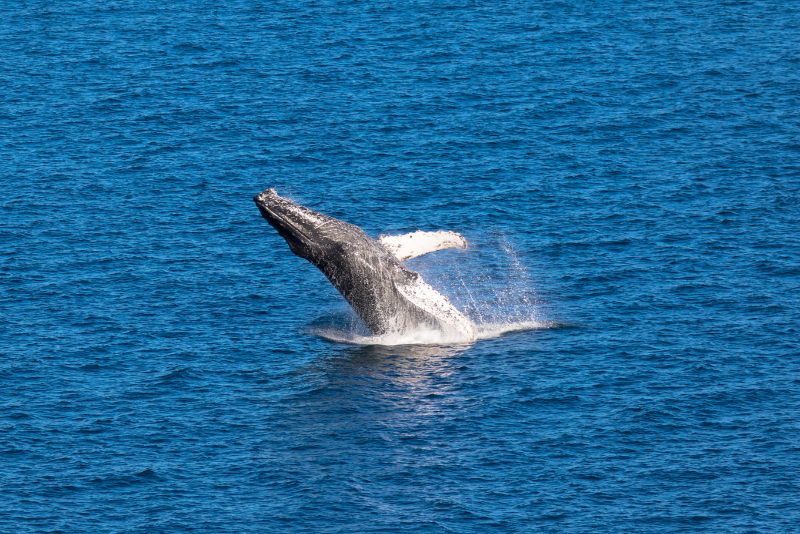
Whale Watching Tours in Loreto
Whale watching tours in Loreto typically last between three and four hours and are led by experienced guides. Boats may be small for a more intimate experience or larger for families and groups.
They usually include:
•Certified guides
•Safety equipment
•Educational information about marine life
•Routes within the National Park
•Box lunch, water, or beverage
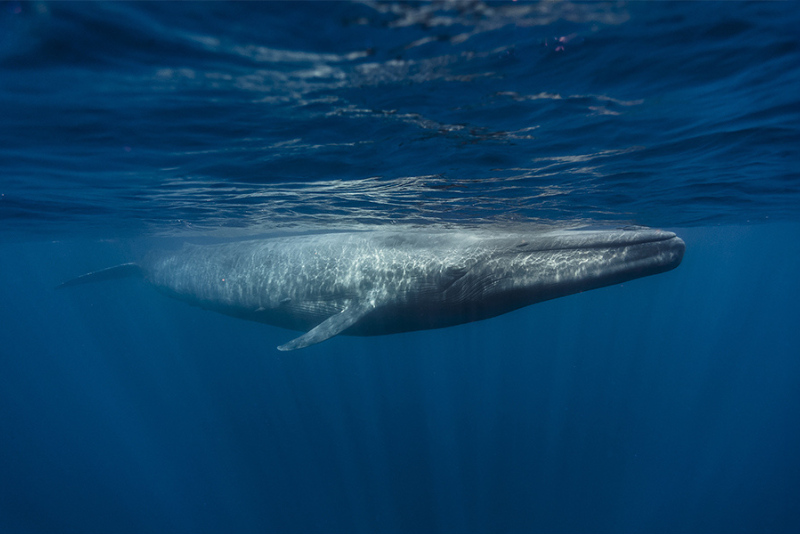
What to Expect During Whale Watching in Loreto
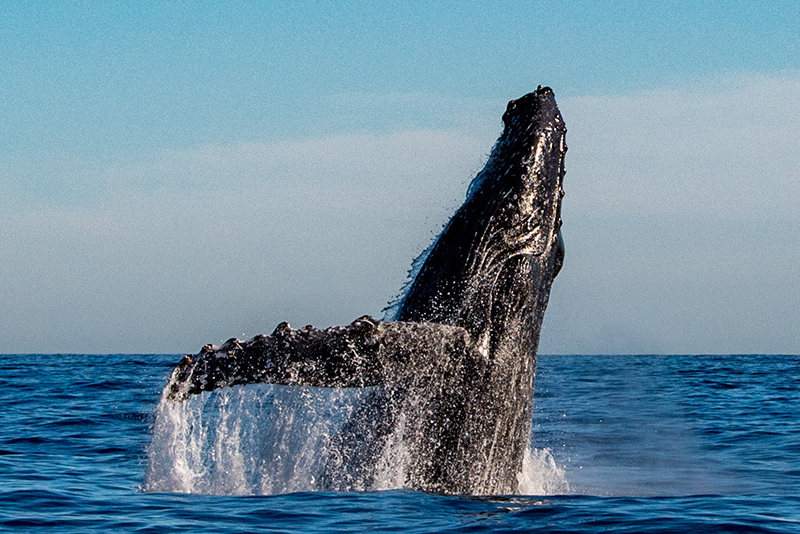
Whales in Loreto often display spectacular behaviors such as breaching, tail slaps, fin waving, and spy-hopping. It’s also common to spot other marine species like dolphins, sea lions, manta rays, and seabirds.
The Sea of Cortez is considered one of the best whale watching destinations in the world due to its biodiversity and crystal-clear waters.
Why Do Whales Migrate to Loreto?
Each winter, whales travel thousands of kilometers from Alaska and Canada to:
•Reproduce
•Give birth
•Rest in warm waters
•Find food
Loreto offers tranquility, nutrient-rich waters, and protected surroundings, making it a key stop along their migratory route.
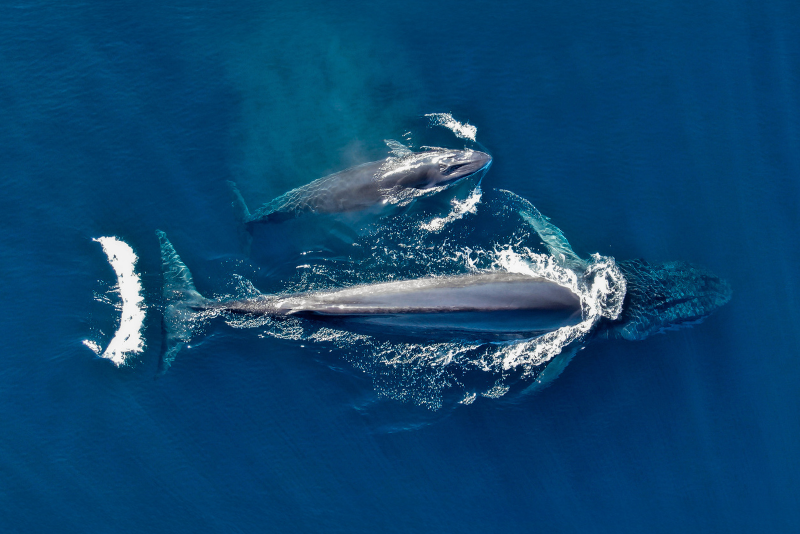
Conservation and Responsible Viewing
Loreto is committed to responsible tourism practices. Tour operators follow strict regulations to protect the whales:
•Maintain an appropriate distance
•Avoid interfering with whale behavior
•Control the number of boats near whale groups
•Respect routes and resting zones
•Choosing certified operators helps protect this natural spectacle.
Tips to Make the Most of Your Tour
•Bring layered clothing—the sea breeze can be cool
•Use biodegradable sunscreen
•Wear sunglasses and a hat
•Protect your camera and keep it ready for unexpected breaches
Frequently Asked Questions About Whale Watching in Loreto
How much does a whale watching tour cost in Loreto?
Tours range from $2,200 to $3,500 MXN per person, depending on the boat and services included.
Where do tours depart from?
Most tours depart from the Loreto Marina and Marina Puerto Escondido.
Which whales can be seen in Loreto?
Mainly humpback, gray, and blue whales. Orcas and fin whales are occasionally spotted.
How long does a tour last?
Between three and four hours.
Can I bring children?
Yes, it’s a family-friendly activity. Children must wear life jackets, and more stable boats are recommended for kids under five.
Can whales be seen from the shore?
Sometimes, but the closest sightings occur from boats within the Loreto Bay National Marine Park.
Can tours be canceled due to weather?
Yes, especially during strong winds. Many operators offer rescheduling options.
Is it necessary to book in advance?
During January, February, and March, it’s recommended to book several days ahead.
•Additional Activities to Enjoy in Loreto
•Visit the historic center and the Mission of Our Lady of Loreto
•Hiking in the Sierra de la Giganta
•Island tours for snorkeling and kayaking
•Relax on quiet beaches such as Juncalito, La Dársena, and Nopoló
•Try local dishes like chocolata clams and fresh fish
Where to Stay During Whale Watching Season
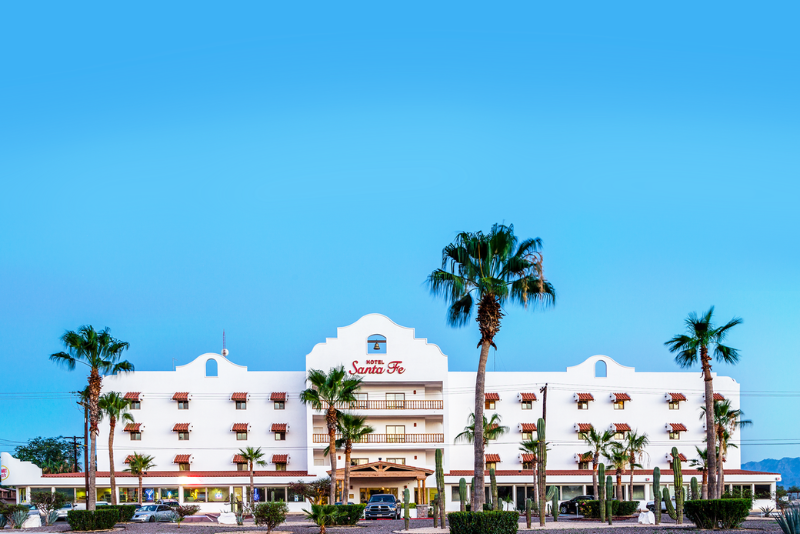
Located downtown, ideal for guests who want to walk to the malecón, restaurants, and shops. It offers suites with kitchenettes, pool, jacuzzi, restaurant, private parking, and more amenities.
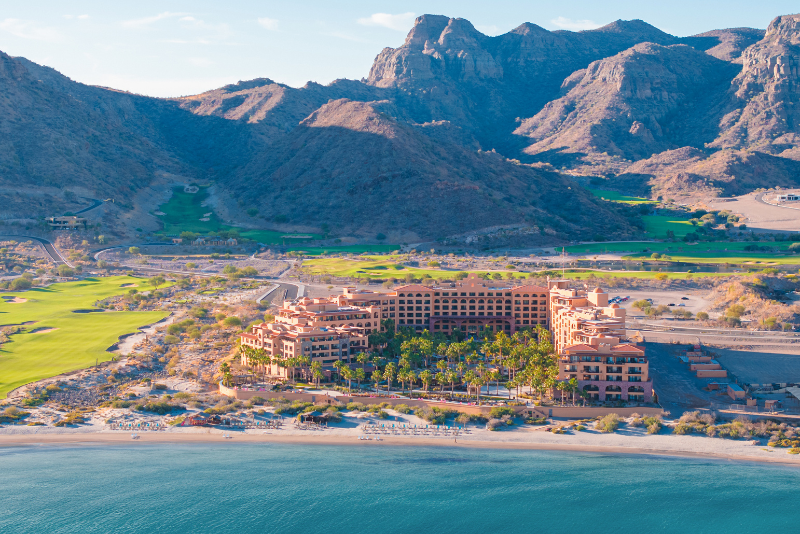
Villa del Palmar at the Islands of Loreto
An oceanfront resort surrounded by nature, perfect for enhancing your trip with spa, golf, and outdoor activities. All-inclusive plans are available.
Experience Whale Watching Season in Loreto
Whale watching season in Loreto is an extraordinary opportunity to witness the migration of some of the world’s largest animals in one of Mexico’s most peaceful and beautiful settings. Whether you travel with family, friends, or a partner, this experience will connect you with nature in a truly authentic and unforgettable way.
 The arrival of the Blue Giant to the waters of the Sea of Cortez
 The blue whale in Loreto, BCS
 Loreto 21k Half Marathon


Oliver Heldt

Linda L

Mike B

Goyotraveler

R0n69

Jassyho

Coastal682943

Freddyloan

Malu Yunez