Published on 21/08/2021
Loreto Pueblo Mágico (Magical Town): History, Culture, and Unforgettable Charm
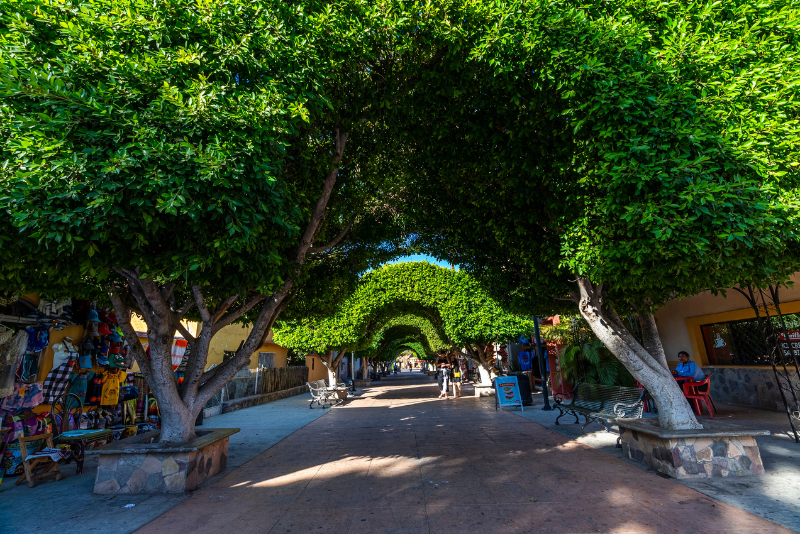
Between mountains that seem to touch the sky, a sea painted in shades of turquoise, and a history that shaped the entire peninsula, Loreto remains one of Mexico’s most authentic and beloved destinations. Walking through its quiet streets, greeting the locals, savoring its regional cuisine, and feeling the closeness of nature is to connect with a Mexico that is deep, historic, and full of soul.
Here you’ll discover what Loreto offers as a Pueblo Mágico — a “Magical Town” recognized by Mexico’s Secretary of Tourism for its cultural heritage, natural beauty, and historic significance. You’ll also learn the reasons behind this distinction, its most special corners, and the places that reflect its identity within and beyond the historic center.

Why Was Loreto Named a Pueblo Mágico (Magical Town)?
Loreto received its Pueblo Mágico designation in 2012, granted by Mexico’s Secretary of Tourism. This distinction highlights destinations that preserve their traditions, protect their natural and cultural heritage, and offer unique and meaningful experiences to visitors.
In simple terms, this title is given to towns that embody “the magic of Mexico” through their history, people, and environment — and Loreto truly reflects all of this.
1. A History That Shaped Mexico and the Californias
Loreto is the place where everything began. In 1697, the first mission of the peninsula — Misión de Nuestra Señora de Loreto — was founded here. From this small fishing community, expeditions set out to establish missions throughout Baja California, Sonora, and what is now the state of California in the United States.
Loreto also became the first capital of all the Californias, reflecting its importance during the missionary and colonial periods.
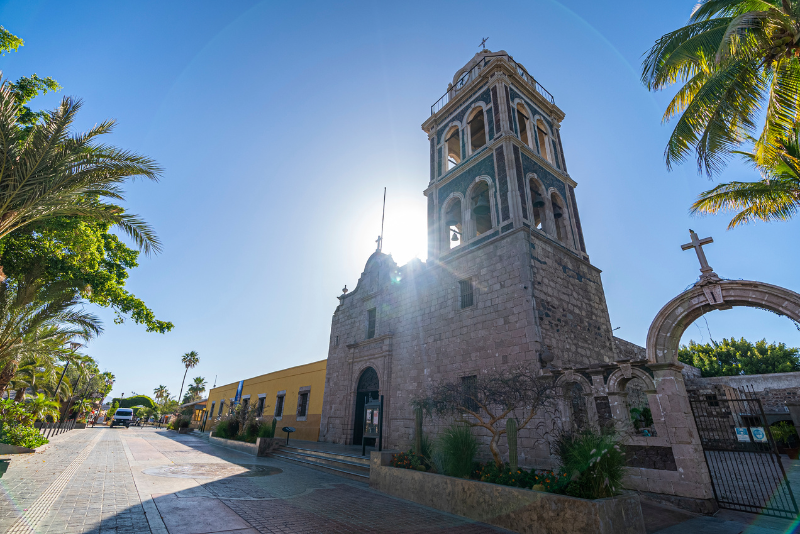
2. Architecture That Tells a Story
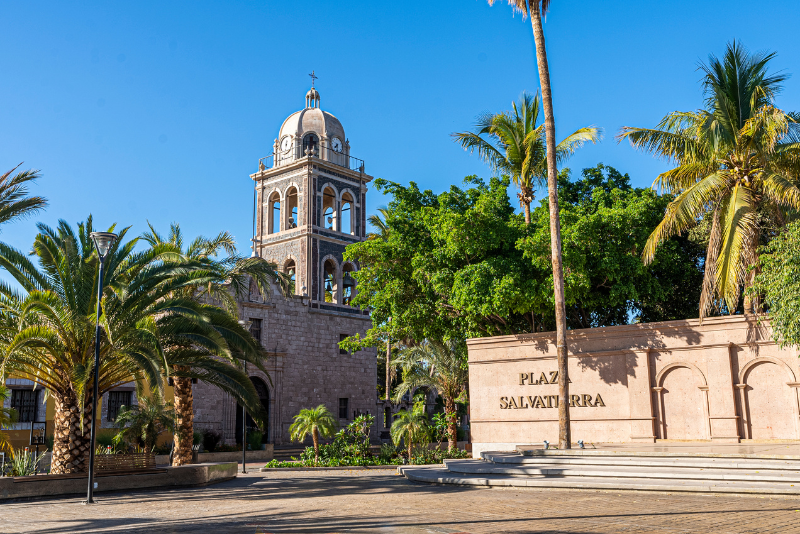
Walking through the historic center feels like stepping back in time. The plaza, the mission, the building facades, and the streets preserve an old-world charm that captivates visitors. Everything is close by, accessible, and still holds the essence that has defined Loreto for centuries.

3. A Natural Setting That Amazes Everyone
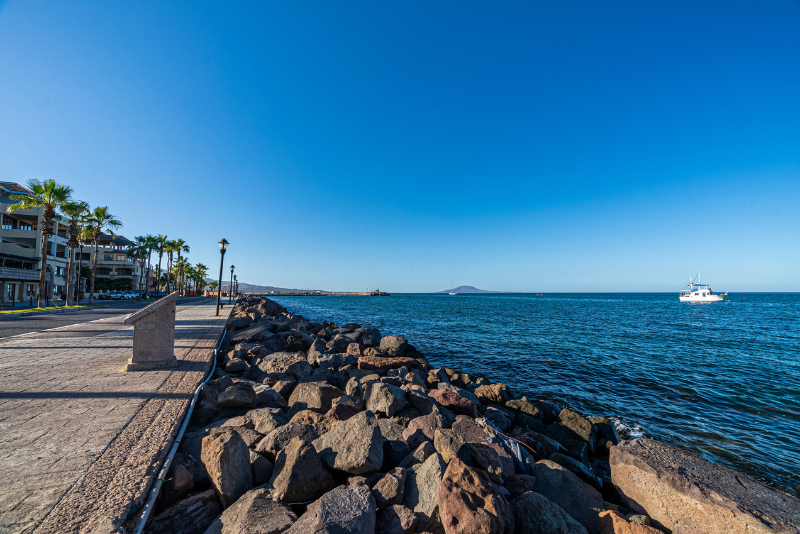
Loreto has something no other Pueblo Mágico (Magical Town) possesses: a marine national park directly in front of the town and an impressive mountain range rising behind it.
In one place, you’ll find desert, ocean, protected islands, hidden beaches, and mountains filled with trails and scenic viewpoints.
4. Living Traditions and a Rhythm That Invites You to Breathe
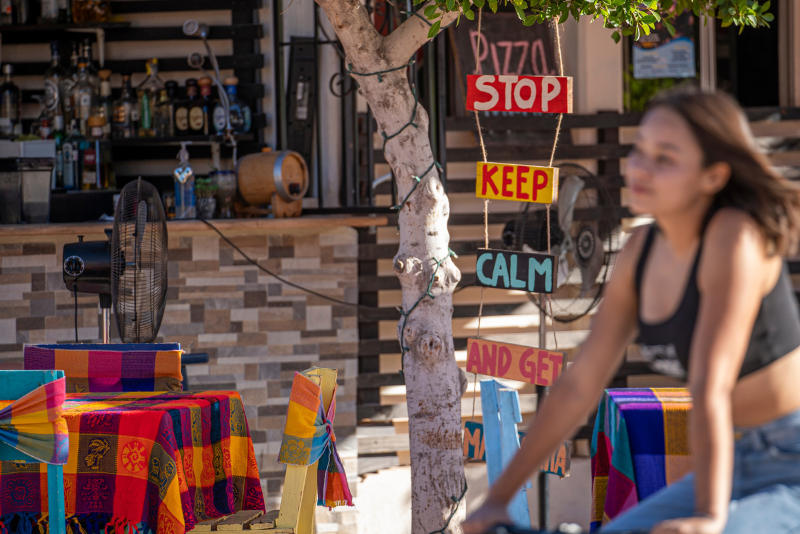
Loreto is not a mass-tourism destination. You can still see fishermen on the shore, traditional festivals, religious celebrations, and a warm atmosphere where everything feels genuine. It’s a town that has preserved its identity and welcomes visitors as if they were part of the community.
How to Get to Loreto
By Air
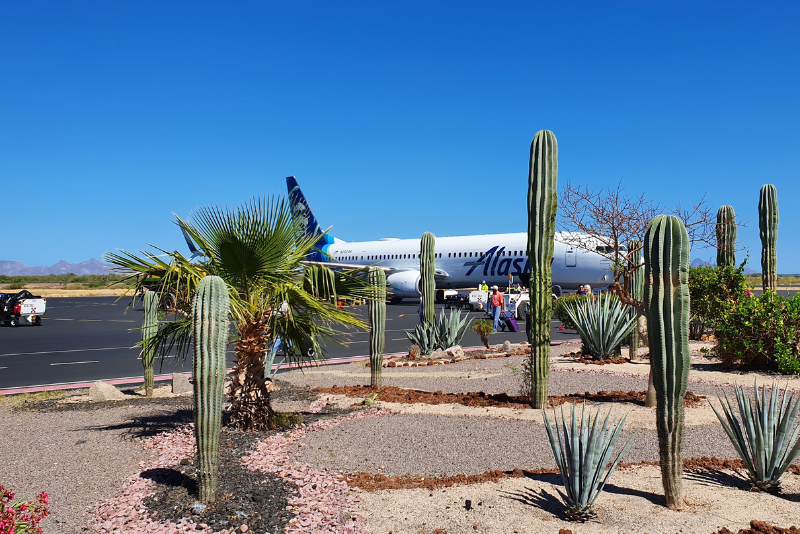
The Loreto International Airport (LTO) connects the destination with several cities in Mexico, the United States, and Canada.
•From the U.S. and Canada: Los Angeles, Phoenix, Dallas, San Francisco, and Calgary.
•From Mexico: Tijuana
Direct flights make it easy to visit, whether for a weekend escape or a longer stay.
By Road
For those who enjoy traveling by land, Loreto sits along the iconic Transpeninsular Highway (Mexico 1), the route that stretches across the entire peninsula from Baja California Sur to northern Baja California.
Approximate distances:
•La Paz – 4.5 hours
•Cabo San Lucas – 6.5 hours
•Santa Rosalía – 2.5 hours
•Guerrero Negro – 5 hours
•Tijuana – 16 hours
It’s a safe and scenic drive, perfect for those who appreciate desert landscapes, oasis towns, and mountain backdrops.

Highlights of the Historic Center
Misión de Nuestra Señora de Loreto
The emblem of the destination. The first mission of the peninsula and the heart of the town since the 17th century.
An intimate space featuring historical documents, sacred art, maps, and artifacts that narrate the story of the region’s missions and Indigenous communities.
Miguel Hidalgo Walkway
A charming pedestrian corridor lined with cafés, boutiques, and galleries — perfect for a relaxed afternoon.
A peaceful place to watch the sunrise, take a seaside stroll, or admire the changing colors of the Gulf of California.
Central Plaza
The gathering point for local events, performances, festivals, and cultural celebrations.
More Unmissable Experiences In and Around the Magical Town
•Loreto Bay National Marine Park: Five protected islands ideal for snorkeling, kayaking, hiking, and marine wildlife observation.
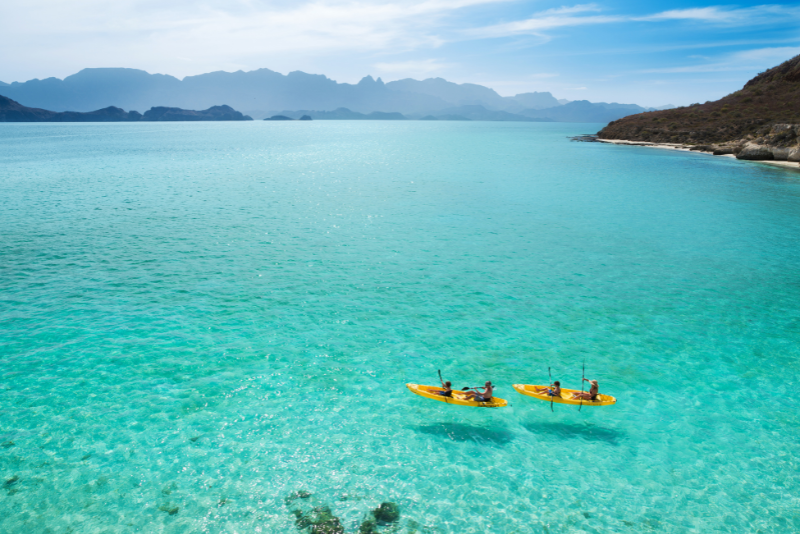
•Whale Watching: Blue, gray, and humpback whales in season (January–March). A breathtaking natural spectacle.

•Sierra de la Giganta: A paradise for hiking enthusiasts and lovers of dramatic scenery, with viewpoints offering panoramic ocean and desert vistas.
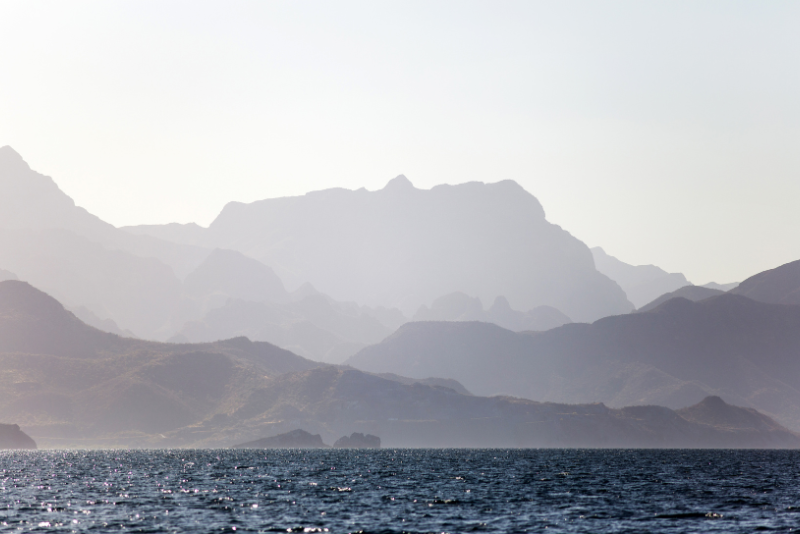
•Kayaking and Paddle Boarding: The calm beaches and surrounding islands are perfect for enjoying these water activities.
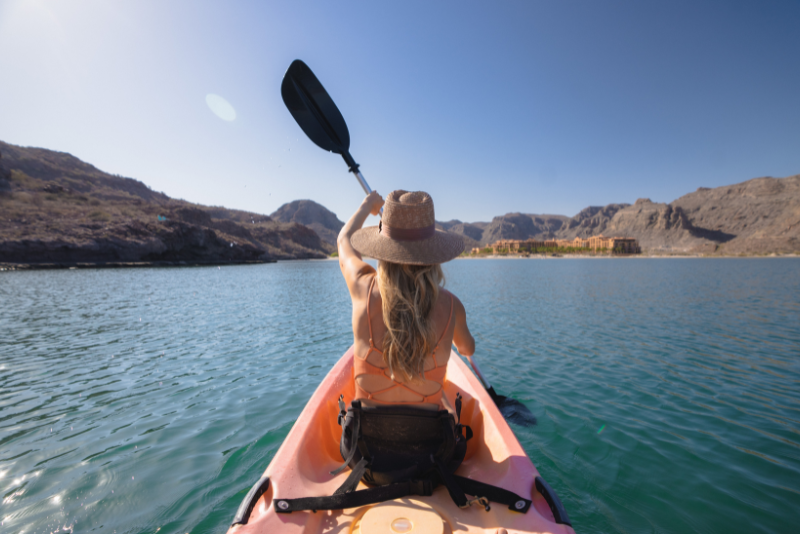
•TPC Danzante Bay: Set between mountains and the Sea of Cortez, this 18-hole Rees Jones-designed course is considered one of the most spectacular in the continent. Its iconic 17th hole, perched on a cliff, has become a world-famous postcard. Even if you don’t play golf, the scenery alone is worth the visit.

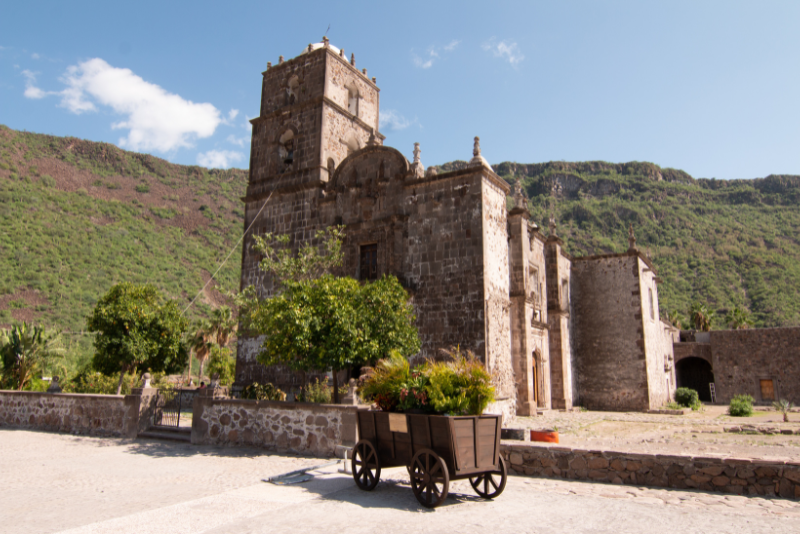
•Misión de San Javier: The best-preserved mission in the peninsula, built with black stone and nestled among extraordinary landscapes.
Gastronomy: Flavors That Stay With You
Loreto’s cuisine beautifully blends coastal and ranching traditions. Some local favorites include:
•Fire-roasted clams (almejas tatemadas)
•Beef and fish machaca
•Fish chicharrón
•Fresh ceviches and seafood tacos
•Artisanal bread and traditional sweets
Many of the best eateries are located near the historic center.

Local Crafts and Art
In Loreto you’ll find:
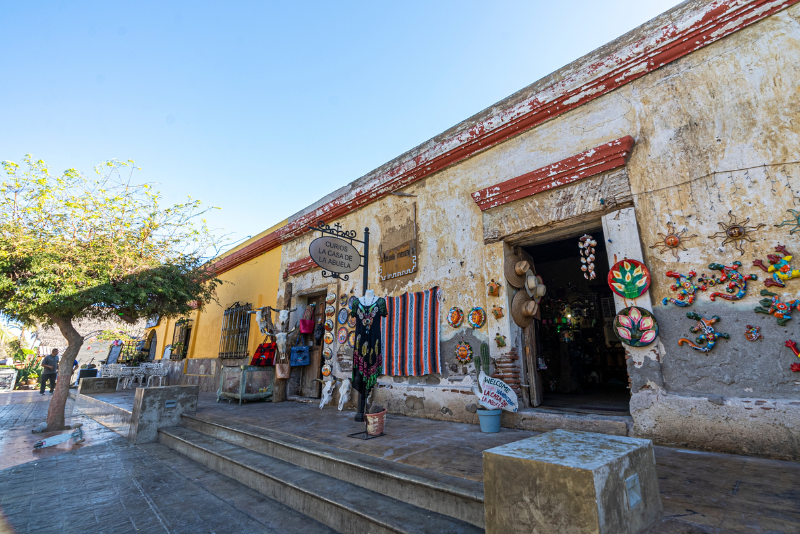
•Palm-woven crafts
•Ceramics
•Jewelry made with shells and pearls
•Hand-painted art
•Natural products and handmade soaps
Authentic souvenirs filled with local character.
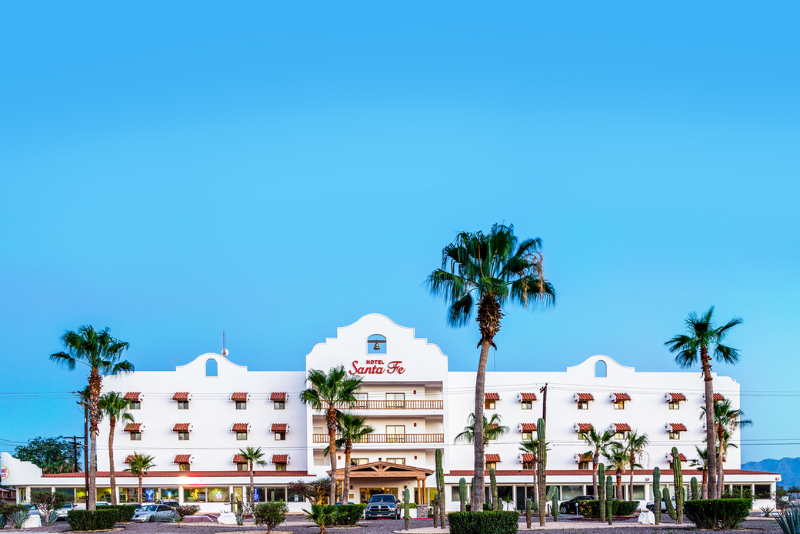
Where to Stay in Loreto
Located near the center and the malecón, it is comfortable, inviting, and offers excellent value — perfect for exploring Loreto on foot.
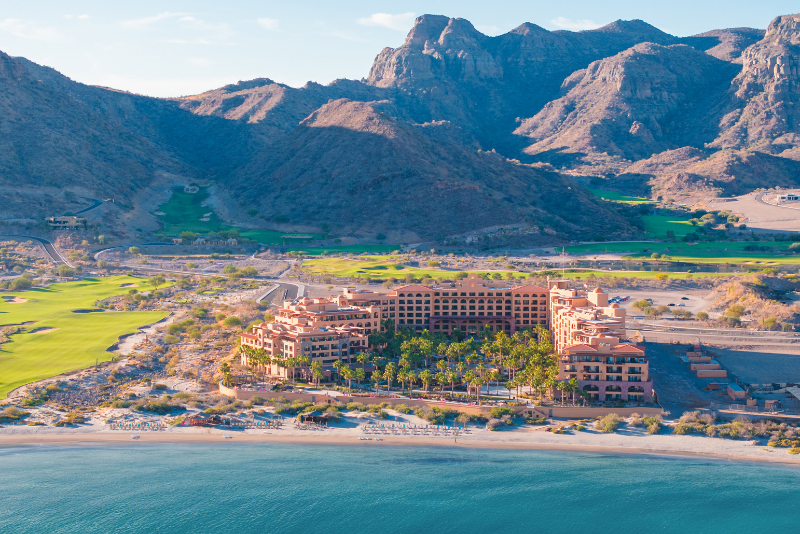
Villa del Palmar at the Islands of Loreto
A beachfront resort with a spa, pools, restaurants, and access to TPC Danzante Bay. Ideal for travelers seeking comfort, nature, and complete experiences.
Frequently Asked Questions About Loreto Pueblo Mágico (Magical Town)
What does “Pueblo Mágico” mean and why was Loreto awarded this title?
It is a recognition given to destinations with exceptional historical, cultural, architectural, or natural value. Loreto was named a Pueblo Mágico in 2012 for being the first capital of the Californias, for its original mission, its cultural richness, and its extraordinary natural surroundings.
Which historical sites should I visit?
The Loreto Mission, the Missions Museum, the Miguel Hidalgo Walkway, the Central Plaza, the Malecón, and the San Javier Mission.
Where can I buy authentic local crafts?
In boutiques and galleries in the historic center, as well as in small artisan workshops.
Is Loreto easy to explore on foot?
Yes, the city center is compact, safe, and very walkable.
Which local dishes should I try?
Clams, fish chicharrón, machaca, fresh seafood, ceviche, and regional sweets.
Which cultural events take place every year?
The main events include:
•Loreto Foundation Festivities (October)
•San Javier Festivities (December)
•Various religious and cultural celebrations
How far is the airport (LTO) from the Pueblo Mágico?
About 10 to 15 minutes by car.
 The arrival of the Blue Giant to the waters of the Sea of Cortez
 The blue whale in Loreto, BCS
 Loreto 21k Half Marathon


Oliver Heldt

Linda L

Mike B

Goyotraveler
R0n69

Jassyho

Coastal682943

Freddyloan

Malu Yunez