Published on 30/03/2026
Loreto, Mexico for First-Time Visitors: Everything You Need to Know Before You Go
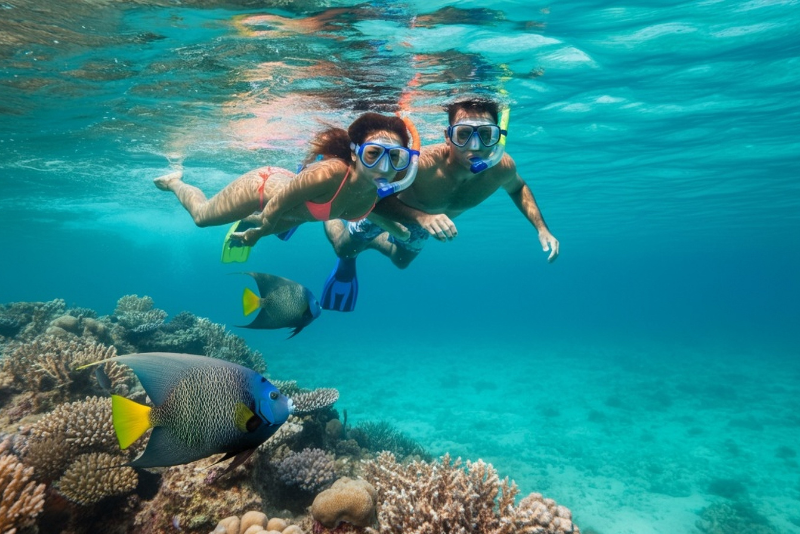
You've probably heard of Cabo, Puerto Vallarta, Cancun. But Loreto? That's the one your well-traveled friends keep to themselves, and for good reason. This quiet coastal town on the Sea of Cortez is the kind of place that still feels like a discovery, not a destination. Here is everything you should know before your first visit.
What Makes Loreto, Mexico Special?
Loreto is a small town on the eastern coast of the Baja California Sur peninsula, about 700 miles south of Tijuana and a world away from the resort-heavy beaches most tourists flock to. It sits right on the shore of the Sea of Cortez, the body of water Jacques Cousteau famously called "the world's aquarium", and is backed by rugged desert mountains that make the landscape feel almost cinematic.
What makes Loreto different is its scale and character. There are no mega-resorts crowding the waterfront. Instead, you get a relaxed seaside town, a historic mission church, fresh-caught fish tacos, and remarkably clear waters that make snorkeling especially rewarding.
The Mexican federal government officially designated Loreto a Pueblo Magico, a "magical town", a recognition reserved for places with exceptional cultural heritage, history, and atmosphere. It's the only Pueblo Magico in Mexico with its own international airport, which tells you something about how seriously the country takes it as a destination.
Where Exactly Is Loreto, BCS?
Loreto is located in Baja California Sur (BCS), Mexico, roughly halfway down the Baja Peninsula on its eastern coast, facing the Sea of Cortez. The nearest major city is La Paz, about 4 hours south by road. Los Cabos is around 6 hours south.
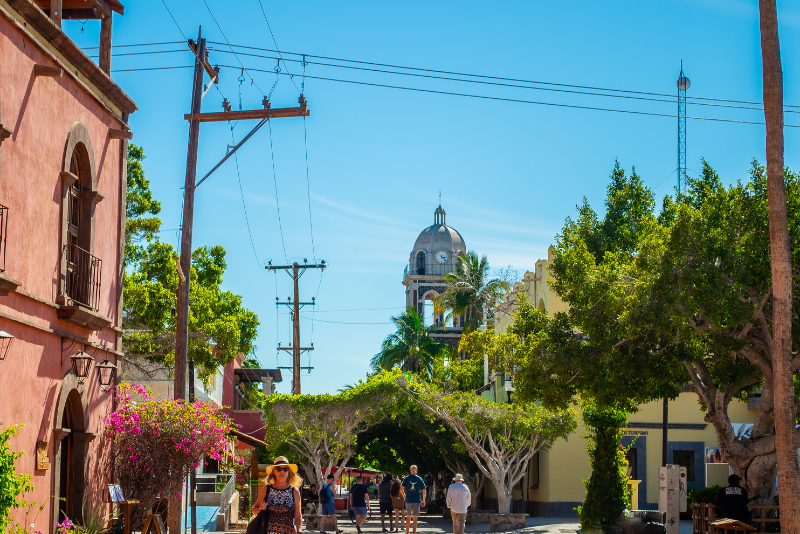
The town itself is compact and very walkable. Most of what you will want to see (the mission, the malecon, the main plaza, restaurants, and shops) is within easy walking distance. Outside of town, the scenery quickly opens up into dramatic desert landscapes, and the islands of Loreto Bay National Marine Park are just a short boat ride away.
Getting to Loreto: Flights, Driving, and More
Flying to Loreto
Loreto International Airport (LTO) receives direct flights from several U.S. cities. As of now, you can fly direct from:
- Los Angeles (About 2 hrs)
- San Francisco (About 2 hrs 35 min)
- San Diego / Tijuana (About 1 hr 39 min via Cross Border Xpress)
- Phoenix (About 2 hrs)
- Dallas (About 3 hrs)
- Calgary (About 3 hrs 59 min)
Airlines serving Loreto include American Airlines, Alaska Airlines, WestJet, and Volaris. If you do not find a direct route from your city, connections through Tijuana or Los Angeles are usually easy to piece together.
Pro tip: The Cross Border Xpress (CBX) bridge connects San Diego directly to Tijuana's airport, a great option if you are flying from Southern California and want more route flexibility.

Driving to Loreto
If you are up for a road trip, the drive down Baja is one of the great overland adventures in North America. From Tijuana, you are looking at roughly 700 miles on Mexico's Highway 1, which winds through desert terrain, fishing villages, and some of the most unpopulated landscape on the continent. Budget about 10-12 hours of actual drive time, though most travelers break it into two days with a stop in Guerrero Negro or Mulege.
If you are already in Baja California Sur, the drive is much more manageable. From La Paz, it is about 220 miles (355 km), or roughly 4 hours. From Los Cabos, expect around 310 miles (500 km) and about 6 hours on the road, depending on your pace and stops along the way.
A valid Mexican auto insurance policy is required, your U.S. or Canadian insurance does not cover you in Mexico. You can purchase it online before you go, it is affordable and absolutely essential.

Buses to Loreto
Bus service from Tijuana runs twice daily and covers the full route to Loreto. It is the most budget-friendly option, takes considerably longer than flying, but is a safe and surprisingly comfortable way to see Baja if you have the time.

When Is the Best Time to Visit Loreto?
The honest answer: almost any time works. Loreto's climate is genuinely one of its best-kept secrets.
Average year-round temperature: 23C (73F)
- Winter (December-February): Mild and dry. Daytime temps in the mid-60s to low 70sF. This is peak season for whale watching, when blue whales and grey whales pass through the region. Evenings can be cool, so pack a light jacket.
- Spring (March-May): Ideal weather. Warm, sunny, and uncrowded. Water temps are cooler, which is great for snorkeling and diving visibility.
- Summer (June-September): Hot and humid, with occasional tropical storms possible in August and September. Water temps warm up significantly, making this a popular time for families and water sports. Prices tend to be lower.
- Fall (October-November): Arguably the sweet spot. The weather remains warm and sunny, and fishing is excellent.
Loreto gets very little rainfall throughout the year, so the chances of a storm ruining your trip are low regardless of when you visit.
How Many Days Do You Need in Loreto?
For a first visit, 3 to 5 days is a solid window. Three days gives you enough time to see the town, take at least one island trip, try the food, and relax without feeling rushed. Five days lets you go deeper, with a full kayaking day, a visit to the historic mission village of San Javier, maybe a fishing charter, and genuinely leisurely evenings.
If you are coming primarily for outdoor adventures (diving, fishing, multi-day kayaking), a full week is worth considering.
Where to Stay in Loreto
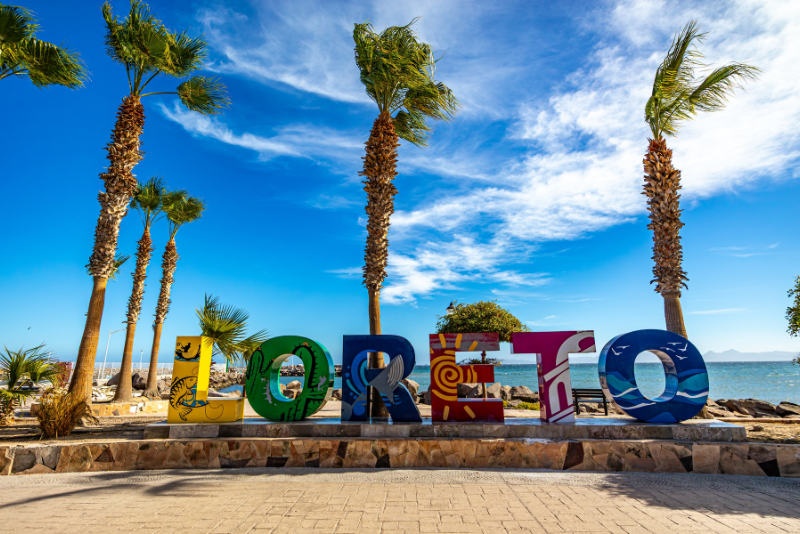
Loreto's hotel scene is smaller in scale, offering a more relaxed and uncrowded alternative to larger resort destinations.
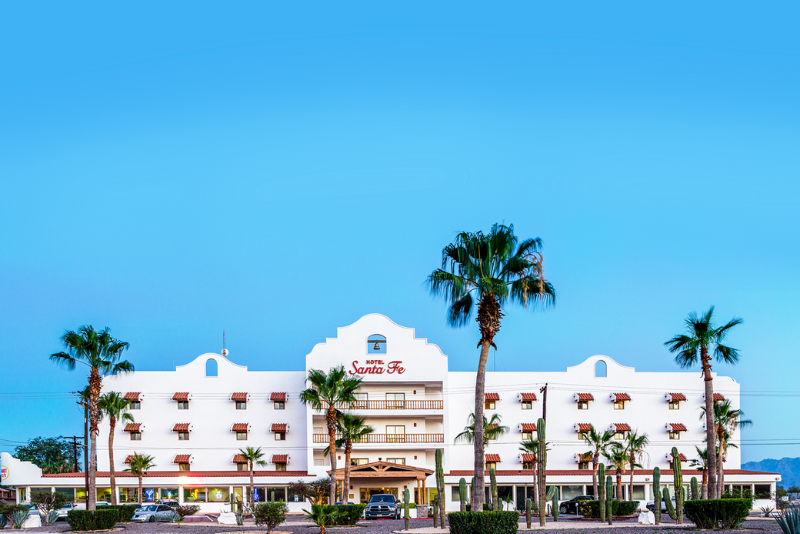
Hotel Santa Fe Loreto
Right in the heart of town, Hotel Santa Fe Loreto is walking distance to the malecon, the main plaza, and the best restaurants. The property has a warm, colonial character with a pool, on-site dining, and staff who actually know Loreto well and can help you make the most of your stay. It is a great base for first-time visitors who want to experience the town itself rather than stay at a resort.
Villa del Palmar at the Islands of Loreto
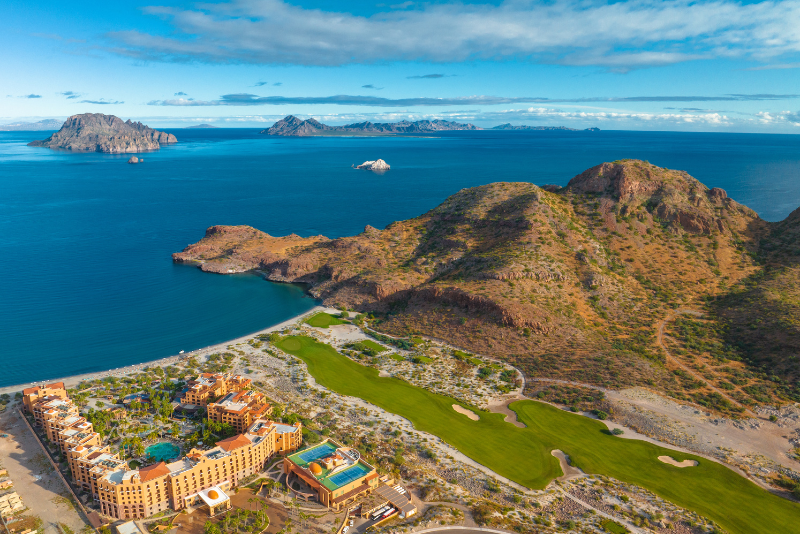
Located about 15 miles south of town on a dramatic stretch of coastline, this is the destination resort option, ideal if your priority is a luxury beach experience with access to championship golf (TPC Danzante Bay) and a full spa. While the resort feels secluded, shuttle service to town is available, making it easy to explore Loreto without needing a car.
Practical note: Wherever you stay, book early for winter months (December-February), as capacity in Loreto is genuinely limited and the town fills up, especially during holiday periods and whale season.
What to Eat in Loreto
Loreto food is Baja food, and Baja food is some of the best regional Mexican cuisine you will ever eat. The Sea of Cortez is outside your door, so seafood is the main event, and it is fresh in a way that reframes everything you thought you knew about fish tacos.
Must-Try Dishes
- Fish tacos: The Baja original. Crispy beer-battered fish, shredded cabbage, crema, pico de gallo, on a fresh corn tortilla. Eat at least one per day.
- Chocolate clams (almejas chocolatas): A Baja endemic species only found in the Sea of Cortez. Usually served raw or grilled. Do not leave without trying them.
- Ceviche: Fresh, citrusy, and often made with local catch of the day. Perfect for a hot afternoon with a cold beer.
- Machaca de res: Dried and shredded beef, typically served at breakfast with eggs and flour tortillas. A northern Mexican staple.
- Lobster: A regional favorite in Baja, typically prepared simply to highlight its flavor. A must-try while you are here.
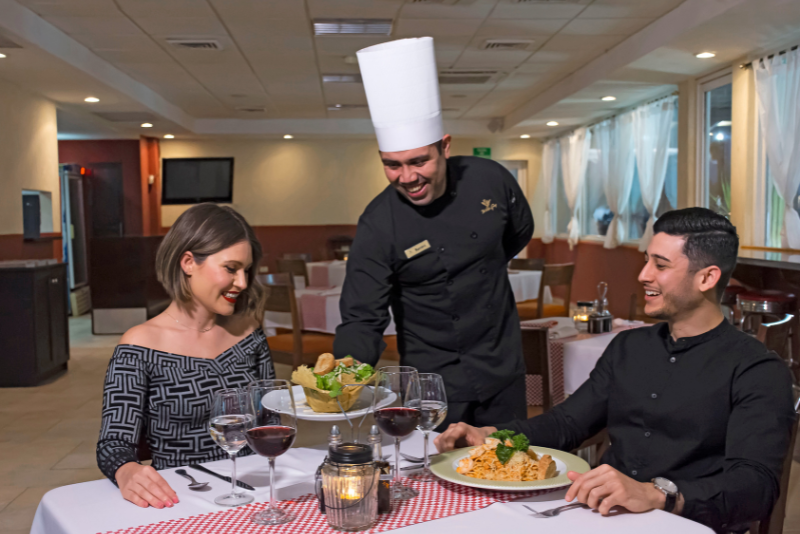
Loreto has a small but solid restaurant scene spread across the malecon and surrounding streets. Most menus combine local seafood with traditional Mexican dishes, and several spots offer surprisingly sophisticated takes on regional ingredients. Almost all restaurants are casual, and the dress code is essentially flip flops and a smile.
Things to Do in Loreto for First-Timers
1-Loreto Bay National Marine Park and the Five Islands
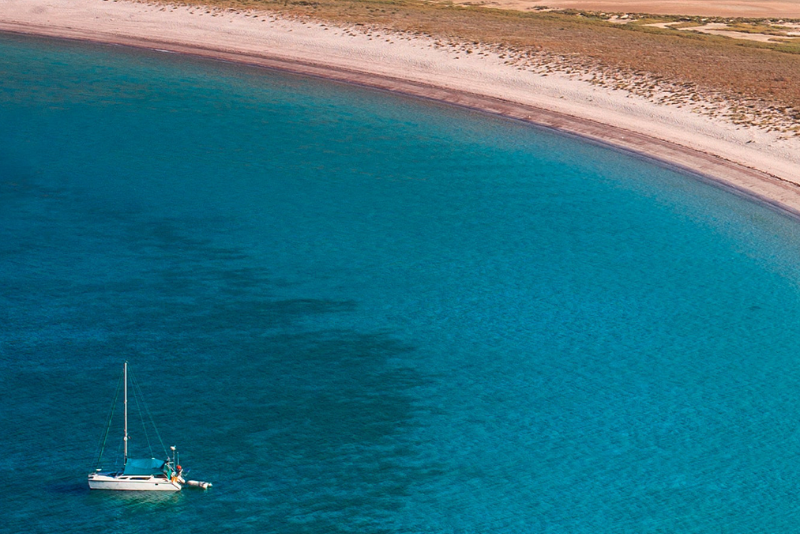
This is the star attraction. The Parque Nacional Bahia de Loreto is a UNESCO-protected biosphere reserve encompassing five islands in the Sea of Cortez: Coronado, Carmen, Danzante, Monserrat, and Santa Catalina. Day trips depart regularly and offer some combination of snorkeling, kayaking, swimming with sea lions, and beachcombing on pristine, uninhabited shores.
Isla Coronado is the most popular day-trip destination, it has a sea lion colony, great snorkeling, and a small volcanic peak you can hike. The snorkeling here is genuinely world-class: tropical fish, sea turtles, and visibility that stretches for dozens of feet.
2-Whale Watching (January-March)
The waters around Loreto and the nearby lagoons are a major migratory corridor for:
- Blue whales: The largest animals on Earth; the Sea of Cortez is one of the most reliable places on the planet to see them.
- Grey whales: Come to calve in warm, shallow coastal waters nearby; at the right time of year you can get within arm's reach on small boat tours.
- Humpback whales: Often spotted breaching in Loreto Bay.
If you are visiting between January and March, book a whale watching excursion. It is a legitimately once-in-a-lifetime experience.
3-Snorkeling and Scuba Diving
The Sea of Cortez is one of the world's top dive destinations. The marine biodiversity here includes hammerheads, manta rays, sea turtles, moray eels, and more species of fish than most divers see in a lifetime of diving elsewhere. Water visibility is excellent, and there are dive sites suitable for every level of experience.
Even if you are not a certified diver, beginner snorkeling trips to the islands are accessible and extraordinary.
4-Kayaking and Paddleboarding
Multi-day sea kayaking expeditions through the islands are a specialty of Loreto, you can camp on uninhabited beaches and wake up to virtually nothing but water, desert, and wildlife. For a more casual experience, half-day and full-day kayaking and paddleboard rentals are widely available.
5-Sport Fishing
The Sea of Cortez has been called one of the richest fishing grounds in the world. Common catches include dorado (mahi-mahi), wahoo, yellowtail, tuna, and marlin, depending on season. Fishing charters are easy to arrange through your hotel or the local marina.
6-The Mission of Our Lady of Loreto
Founded in 1697, this is the oldest active mission in Baja California, the starting point from which Spanish missionaries colonized the entire peninsula. The mission church still stands at the center of town in remarkably good condition, and the attached museum has a well-curated collection of colonial-era artifacts.
Walking the streets around the mission at golden hour is one of those simple, free travel moments that tends to stick with people.
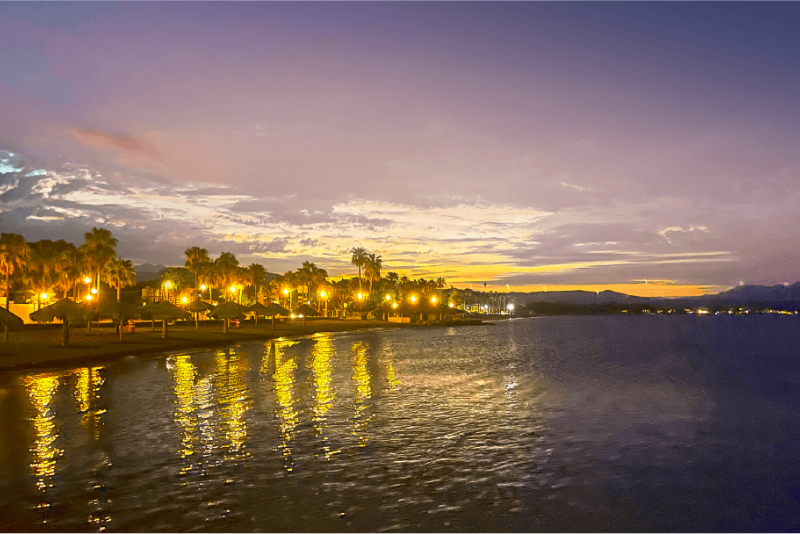
Loreto's waterfront promenade is a peaceful place to take in the views of the Sea of Cortez and the surrounding islands. It is ideal for a morning walk, a sunset stroll, or simply sitting and watching the light change over the water. Simple and unhurried, it offers a quiet way to connect with the natural beauty of the destination.
About 22 miles inland on a winding mountain road, the village of San Javier is home to another historic mission, arguably the most perfectly preserved in all of Baja. The drive through the Sierra de la Giganta mountains is spectacular, and the village itself feels genuinely untouched by tourism. Half-day and full-day excursions are available from Loreto.
Practical Tips for First-Time Visitors
Currency and Payments
The Mexican peso is the local currency. U.S. dollars are widely accepted in tourist areas, but you will get better value using pesos. ATMs are available in town. Most mid-range and upscale restaurants and hotels accept credit cards; small local spots may be cash only.
Language
Most hotel and restaurant staff in Loreto speak at least functional English. However, even a few Spanish basics (hello, please, thank you, do you have...) are always appreciated and often warmly rewarded.
Safety
Loreto is widely considered one of the safer destinations in Mexico. The town is small, and the community is invested in its reputation as a welcoming destination. Standard travel common sense applies: do not leave valuables visible in a parked car, be aware of your surroundings at night in unfamiliar areas. The biggest hazard most visitors encounter is sunburn.
Getting Around Town
Loreto is very walkable, you genuinely do not need a car to enjoy the town itself. If you want to explore further afield (San Javier, the resort corridor south of town), taxis and rental cars are available. Uber does not operate in Loreto; local taxis are reliable and inexpensive.
Internet and Phone
Cell coverage in Loreto is decent with Mexican carriers. If you have a U.S. or Canadian phone plan with international data included, you should be fine in town. WiFi is available at hotels and most restaurants.
Tipping
Tipping culture in Mexico follows roughly the same norms as in the U.S.: 10-15% at restaurants is standard; 20% for exceptional service. It matters more here than you might think, as hospitality wages are significantly lower.

Frequently Asked Questions About Visiting Loreto, Mexico
Is Loreto, Mexico safe for tourists? Yes. Loreto has a strong reputation as one of the safer tourist destinations in Mexico, with a small-town atmosphere and a community that takes care of its visitors. Petty theft is the primary concern, not violent crime.
Do I need a passport to visit Loreto? Yes. U.S. and Canadian citizens need a valid passport to enter Mexico. You will also receive a tourist card (FMM) upon entry, which you should keep until you depart.
What is Loreto, Mexico known for? Loreto is known for its status as a Pueblo Magico, its colonial mission (the oldest in Baja California), world-class sportfishing and marine wildlife, Loreto Bay National Marine Park, and its reputation as an unspoiled alternative to Mexico's more heavily touristed beach destinations.
What is the best time of year to visit Loreto? Late fall through early spring (October-April) is generally considered peak season due to ideal weather and whale watching opportunities (January-March).
How do you get to Loreto? Loreto has its own international airport (LTO) with direct flights from multiple cities including Los Angeles, San Francisco, Phoenix, Dallas, Tijuana, and Calgary. Driving down the Baja Peninsula is also a popular option for road trip enthusiasts.
Is Loreto good for families? Absolutely. The calm, protected waters of Loreto Bay are ideal for children, snorkeling trips are appropriate for older kids and teens, and the town itself is safe and walkable. Several hotels cater specifically to families.
Do you need to speak Spanish to visit Loreto? Not necessarily, English is spoken at most hotels and tourist-facing businesses. But any Spanish you can manage will be genuinely appreciated and will enrich your experience.
What currency should I use in Loreto? Mexican pesos are the preferred currency. U.S. dollars are accepted at most tourist businesses, but using pesos typically gets you better rates.
Why Loreto Stays With You
First-time visitors to Loreto almost always say the same thing when they leave: why hasn't anyone told me about this place?
It does not have the name recognition of Cabo or Cancun, and it has never tried to compete on that level. What it offers instead is the Sea of Cortez, one of the most biodiverse bodies of water on earth, along with colonial history, serious food, genuinely warm people, and the kind of quietness that has become increasingly rare in popular Mexican beach destinations.
If you are looking for a beach trip with more substance than a swim-up bar can offer, Loreto is your answer.
Ready to plan your first visit? Hotel Santa Fe Loreto is located in the heart of town, within walking distance to the mission, the malecon, and everything Loreto has to offer. Check availability and current rates here.
 The arrival of the Blue Giant to the waters of the Sea of Cortez
 The blue whale in Loreto, BCS
 Loreto 21k Half Marathon


Oliver Heldt

Linda L

Mike B

Goyotraveler
R0n69

Jassyho

Coastal682943

Freddyloan

Malu Yunez